Maintaining healthy indoor air quality is essential, especially in New Jersey’s diverse environment where various pollutants like mold, asbestos can affect air quality in homes. Air quality testing helps homeowners identify harmful contaminants, ensuring that your living space is safe and breathable. But when should you schedule air quality testing for your New Jersey home? Let’s dive into the details and uncover when it’s crucial to test the air quality in your house.
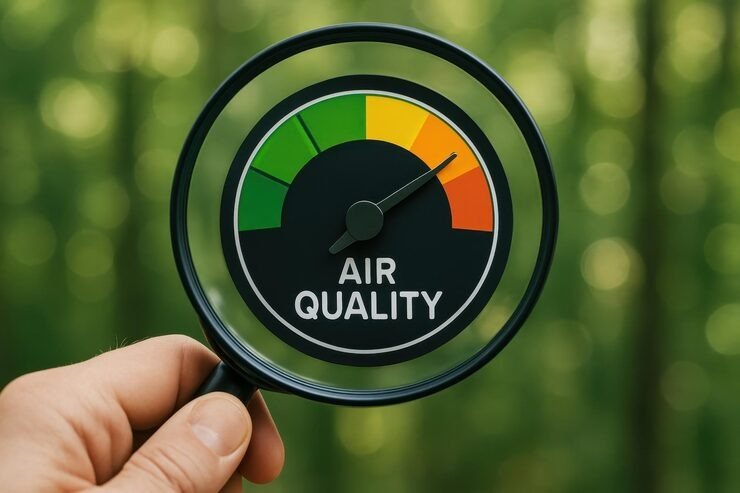
Why is Air Quality Testing Important in New Jersey Homes?
Air quality testing provides valuable insights into your home’s indoor environment by identifying pollutants that could affect your health. With the humid climate of New Jersey and its industrial areas, the risk of mold, asbestos, and other airborne toxins is higher than in many other regions. Pollutants like mold spores, volatile organic compounds (VOCs), and dust mites can trigger respiratory issues, allergies, and long-term health problems, particularly for children, the elderly, and people with preexisting conditions.
Common indoor pollutants detected during air quality testing include:
- Mold spores
- Radon
- Asbestos
- Volatile Organic Compounds (VOCs)
- Carbon monoxide
- Dust and allergens
What Does an Air Quality Test Detect?
An air quality test is designed to detect harmful particles and gases that may be present in the air, including:
- Mold spores: Often found in areas with excess moisture, mold can cause allergic reactions and respiratory problems.
- Asbestos fibers: Typically found in older homes, especially in insulation materials, asbestos is a carcinogen that can cause lung diseases.
- VOCs: Emitted from paints, cleaning supplies, and other household products, VOCs can irritate the eyes, nose, and throat.
- Carbon monoxide: A dangerous, odorless gas that can be fatal if inhaled in high concentrations.
Testing your home’s air quality helps to uncover potential hazards that may not be visible to the naked eye.
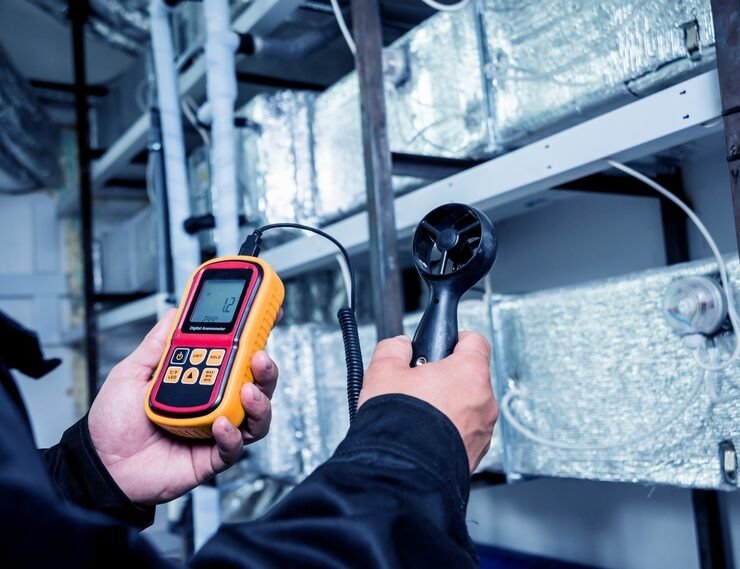
When Should You Schedule Air Quality Testing?
There are several scenarios in which scheduling air quality testing is highly recommended for New Jersey homeowners. Here’s when you should consider booking a professional air quality test:
1. After Water Damage or Mold Growth
New Jersey homes, especially those near coastal areas like Ocean County or along rivers in Union County, are prone to water damage due to flooding or leaky pipes. Mold growth in basements, attics, or walls can be a significant source of airborne contaminants.
Tip: If you’ve experienced water damage or suspect mold growth in your home, schedule an indoor air quality test to ensure that mold spores haven’t spread throughout the air.
2. Post-Renovation or Remodeling Projects
Renovating your home, especially in older areas like Somerset or Monmouth Counties, may release harmful substances like asbestos and VOCs into the air. Renovation projects often disturb materials that were once safely contained, leading to poor indoor air quality.
Tip: If you’ve recently remodeled your home, especially in areas with older construction, it’s wise to perform indoor air quality testing to check for asbestos or VOCs.
3. If You or Your Family Members Experience Respiratory Symptoms
Common symptoms like coughing, sneezing, headaches, or difficulty breathing may be signs that the air in your home is polluted. If any of your family members are suffering from chronic allergies or asthma, it’s a good idea to test the air quality.
Warning: Never ignore signs of respiratory problems—poor indoor air quality could be the culprit behind health issues.
4. After a Fire or Smoke Damage
If your home has experienced a fire, even a small one, it’s important to test for smoke particles and other contaminants that can affect air quality. Areas like Mercer County and Middlesex County, with their suburban homes, may face higher risks of fire hazards during dry seasons.
Tip: Schedule an air quality test if your home has suffered fire damage to ensure that the air is safe to breathe.
5. Before Buying or Selling a Home
If you’re purchasing a home in New Jersey, especially in older neighborhoods like those in Burlington County, it’s essential to assess the indoor air quality before moving in. Similarly, if you’re selling your home, offering an air quality test can be a valuable selling point, proving your home is safe and healthy.
Real Example: A homeowner in Union County discovered asbestos fibers during a pre-purchase air quality test, which allowed them to negotiate for necessary remediation before buying.
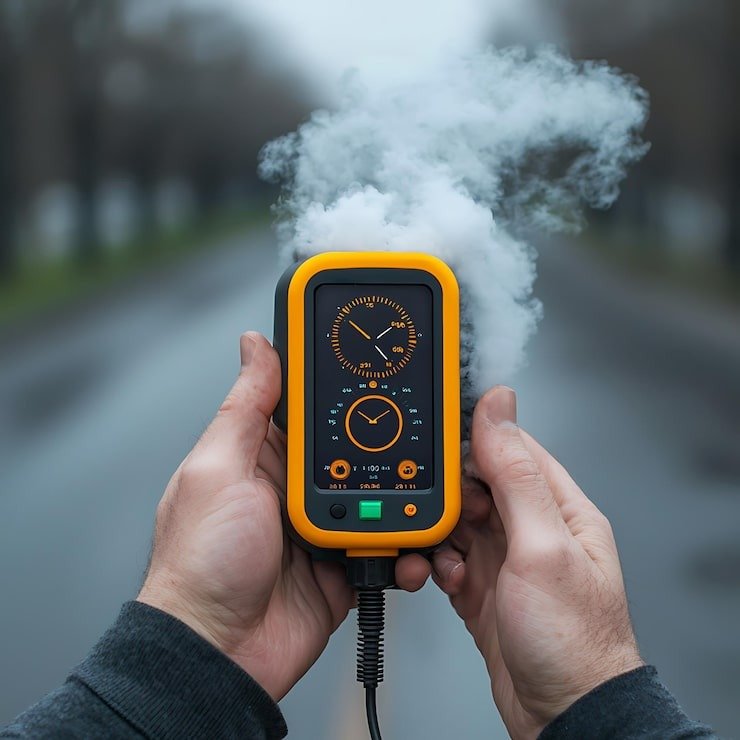
How Does Air Quality Testing Work?
Air quality testing is a straightforward process that involves collecting air samples from various rooms in your home. These samples are then analyzed for pollutants like mold spores, radon, and VOCs.
Here’s how the process typically works:
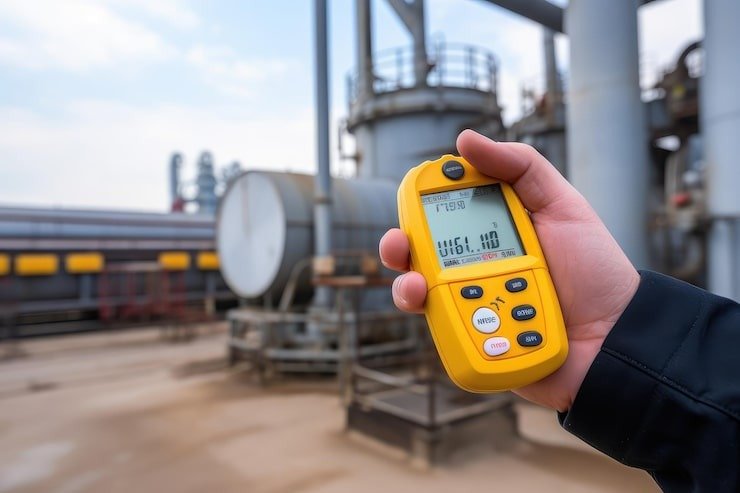
- Collection of Samples: A certified professional will use a variety of tools, such as pumps or air quality test kits, to collect air samples from your home.
- Analysis: The samples are sent to a laboratory for analysis. The lab will check for common pollutants, including mold, radon, and VOCs.
- Report: You’ll receive a detailed report outlining the results of the test, including the levels of pollutants found and recommendations for remediation if necessary.
If you’re located in any of New Jersey’s affected areas, such as the industrial zones in Middlesex County or the high-humidity areas in Monmouth County, this testing is particularly important.
Cost of Air Quality Testing in New Jersey
The cost of air quality testing in New Jersey typically ranges from $500-$1000, depending on the size of the home and the complexity of the test. A basic air quality test may only cover common pollutants like mold spores, while a comprehensive test may also include radon, VOCs, and asbestos.
Factors that influence the cost of air quality testing include:
- Home Size: Larger homes or multi-story buildings may require more time and resources to test.
- Type of Test: Some tests, such as asbestos testing may cost more due to the complexity of the analysis.
- Location: Air quality testing in urban areas like Newark or Jersey City may be more expensive due to demand and higher operational costs.
Prevention and Maintenance Tips for Improving Air Quality
While air quality testing helps identify pollutants, it’s also important to take steps to prevent air quality issues in the first place.
1. Regular HVAC Maintenance
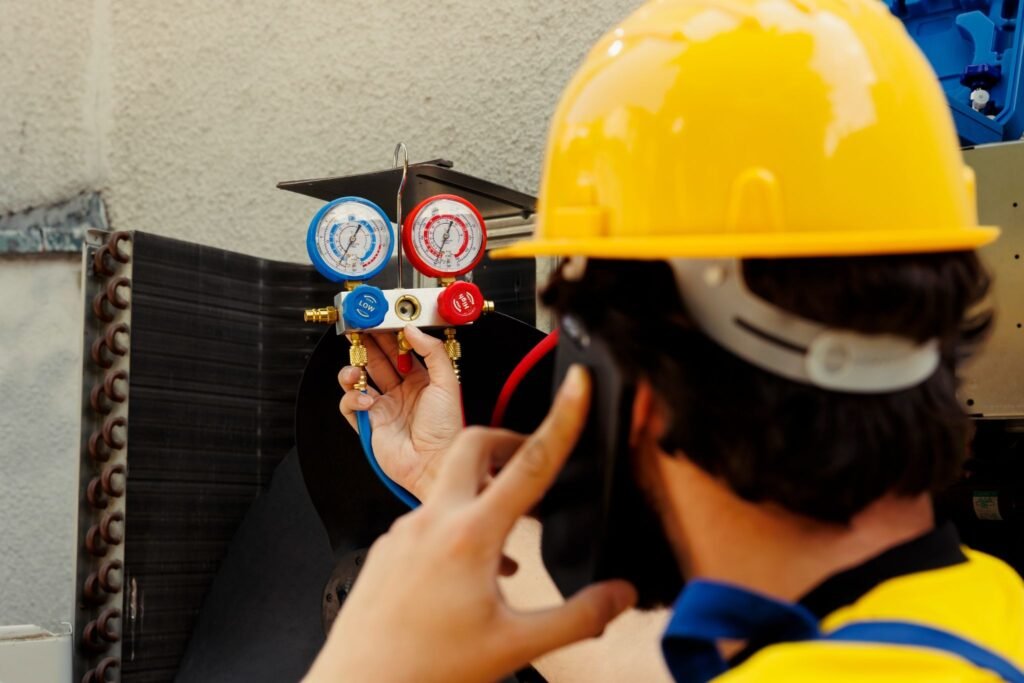
Ensure that your HVAC system is well-maintained to prevent dust, mold, and other contaminants from circulating through your home. A clean HVAC system improves indoor air quality by ensuring that the air is filtered properly.
2. Control Humidity Levels
In areas like Ocean County, where humidity levels are high, using dehumidifiers can help reduce mold growth and improve air quality. Mold thrives in damp environments, so maintaining a dry home is essential.
3. Use Air Purifiers
Air purifiers with HEPA filters can help remove dust, mold spores, and other pollutants from your home’s air. Consider using these devices in areas like basements or rooms with poor ventilation.
When to Call a Professional in New Jersey for Air Quality Testing
While DIY tests and air quality test kits are available, they often do not provide a complete picture of your home’s air quality. Here’s when to call a professional:
- When you suspect hazardous materials like asbestos in your home.
- If you’ve experienced water damage, mold growth, or fire.
- If your symptoms or the symptoms of family members suggest air quality problems.
Professional air quality testing ensures accurate results and comprehensive advice on how to improve your indoor air quality.
Why Choose All In One Inspections for Air Quality Testing in New Jersey?
At All In One Inspections, we have over 7 years of experience providing thorough and reliable air quality testing services in New Jersey. Our certified experts are equipped with state-of-the-art equipment to detect and analyze pollutants like mold, asbestos, and VOCs in your home. We pride ourselves on offering fast, accurate results and personalized solutions to help you create a safer living environment.
Here’s why you should choose us:
- Expert Professionals: We specialize in air quality testing, mold remediation, and water intrusion assessments.
- Local Knowledge: We understand the unique air quality challenges faced by New Jersey homeowners.
- Comprehensive Services: From mold inspection to air quality testing, we offer a full range of inspection services to keep your home safe.
Schedule Your Air Quality Test Today: Call us at 908-910-8203 or visit All In One Inspections to book an appointment.
Local FAQs for Air Quality Testing :
- What is air quality testing and why should I schedule it in New Jersey?
Air quality testing measures harmful pollutants like mold, asbestos, and VOCs to ensure your home’s air is safe to breathe. In New Jersey’s humid climate, it’s crucial to test regularly for these contaminants. - How often should I schedule air quality testing in New Jersey?
You should schedule air quality testing every 1–2 years, or immediately after water damage, renovations, or signs of mold growth. - How much does air quality testing cost in New Jersey?
Air quality testing in New Jersey typically costs between $200 and $600, depending on the home size and test complexity. - Can I test air quality myself?
While DIY test kits are available, professional testing offers more reliable and comprehensive results, especially for hazardous substances like asbestos. - What does an air quality test detect?
An air quality test detects pollutants such as mold spores, asbestos, radon, VOCs, and other airborne toxins that can affect your health.