Mold testing is crucial for identifying hidden mold issues that could be compromising the air quality and structural integrity of your home. In New Jersey, where humidity and water damage are common, understanding what mold testing (specifically air sampling) detects is essential. Air sampling tests are one of the most effective ways to detect mold growth, especially in hidden or hard-to-reach areas. This article will explore how mold testing works, what it detects, and why it’s important for New Jersey homeowners to consider professional mold testing services.
What is Mold Testing (Air Sampling)?
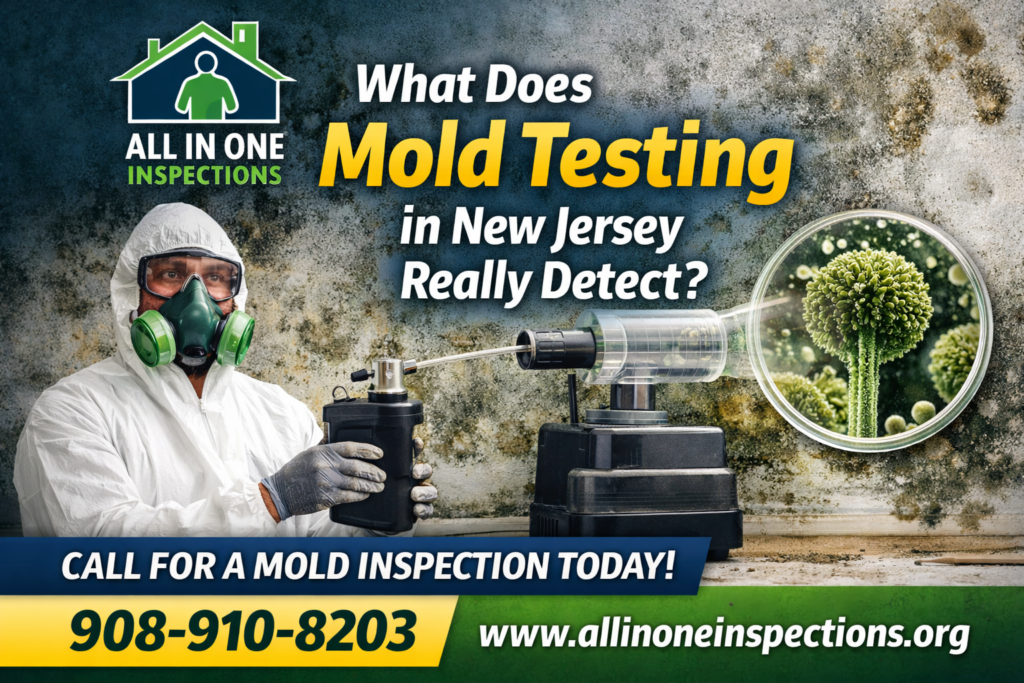
Mold testing through air sampling involves collecting air samples from inside your home and analyzing them to detect the presence of mold spores. This method is particularly effective in detecting mold that isn’t visible to the naked eye but may still be impacting the indoor air quality. Air sampling can identify various types of mold, including common strains like Aspergillus, Penicillium, and even Stachybotrys (commonly known as black mold).
How Does Air Sampling for Mold Testing Work?
In New Jersey, mold testing typically involves using specialized equipment, such as air pumps or spore traps, to collect airborne particles. A professional mold inspector will take samples from different areas of your home, particularly spaces prone to moisture like basements, attics, and bathrooms. These samples are then sent to a certified laboratory for analysis.
Why is Air Sampling Important in New Jersey?
New Jersey’s climate—characterized by high humidity levels, frequent rainfall, and coastal proximity—creates an ideal environment for mold growth. Air sampling provides an accurate snapshot of the mold present in your home, even when it isn’t visible. This is crucial in areas like basements and crawl spaces, where mold may thrive unnoticed. Additionally, air sampling helps determine the types of mold present, allowing for better-targeted remediation strategies.
What Does Mold Testing Detect?
Air sampling for mold testing is effective at detecting:
- Mold Spores: Airborne spores are the most common indicators of mold growth. These spores can spread throughout your home and cause allergic reactions or respiratory issues. Common mold species found in New Jersey include Aspergillus, Penicillium, and Cladosporium.
- Mycotoxins: Some molds produce mycotoxins that can cause serious health issues, including respiratory problems, neurological symptoms, and even toxicity. Air sampling helps detect these harmful substances.
- Hidden Mold Growth: Air samples can reveal the presence of mold that’s hidden behind walls, under floors, or in other hard-to-reach areas. Often, mold growth is not visible but still affects indoor air quality.
- Humidity and Moisture Levels: Mold testing can also help identify moisture problems in your home, which is key to understanding where mold might be growing or could potentially develop in the future.
Local Mold Issues in New Jersey
New Jersey’s unique climate poses several challenges when it comes to mold growth. Humid summers, regular rainfall, and frequent flooding make mold problems a common issue for homeowners, especially in older homes with basements prone to water intrusion. For residents in counties like Ocean, Monmouth, and Union, mold issues can be exacerbated by seasonal flooding and high humidity levels.
For example, in coastal areas like Somerset County, homes may experience frequent water damage from storms or rising groundwater, creating perfect conditions for mold to grow and spread. If left unchecked, these issues can lead to long-term structural damage and costly repairs.
Why Choose Professional Mold Testing Services in New Jersey?
Expertise and Accuracy
Certified mold testing professionals in New Jersey, like All In One Inspections, have the expertise to detect mold problems before they worsen. They use the latest equipment and techniques to ensure accurate results. Professional mold detection offers peace of mind, knowing the job is done right the first time.
Mold Testing and Inspection Services
Professional mold testing services go beyond just identifying visible mold. Technicians can detect hidden mold growth and offer recommendations for remediation. Additionally, mold testing professionals provide guidance on improving air quality and preventing future mold issues. Here’s why you should choose a professional mold inspection:
- Comprehensive Inspection: Experts will perform a thorough inspection of your property, checking for mold in hard-to-reach areas like behind walls and under floors.
- Certified Testing: A certified home inspector follows strict protocols to ensure accurate testing and reporting.
- Health and Safety: Mold can lead to serious health issues. Professional mold testing ensures that the mold problem is dealt with properly and safely.
Common Client Mistakes
Many homeowners in New Jersey attempt DIY mold testing using kits purchased online. While mold test kits can detect the presence of mold, they often lack the accuracy and depth of professional testing. Additionally, mold test kits don’t address hidden mold problems, which are common in New Jersey homes.
The Cost of Mold Testing in New Jersey
How Much Does Mold Testing Cost in NJ?
The cost of mold testing in New Jersey can vary depending on several factors, including the size of your home, the complexity of the inspection, and the type of mold testing required. On average, you can expect to pay between $300 to $600 for a standard mold inspection. However, if your property is larger or you require more extensive testing (e.g., for multiple mold species or air sampling), the cost may increase.
Factors That Affect Mold Testing Costs
- Size of Property: Larger homes or commercial properties will require more testing, which can increase the overall cost.
- Location: Depending on the county, the cost of mold testing services may vary. For instance, areas like Middlesex County and Monmouth County may have higher rates due to increased demand.
- Additional Services: Additional testing services, such as air quality assessments or mold remediation advice, may increase the cost.
Is Free Mold Testing Available in New Jersey?
Some mold testing companies in New Jersey offer free mold inspections as part of a promotional deal or with the intention of providing an estimate for mold remediation. However, it’s important to understand the limitations of these offers. Free inspections might not include comprehensive air sampling or laboratory testing, which are essential for a thorough mold analysis.
Prevention Tips for Mold in New Jersey Homes
Preventing mold in New Jersey homes starts with controlling moisture levels. Here are some tips for reducing the risk of mold growth:
- Maintain Proper Ventilation: Ensure your home is well-ventilated, especially in high-moisture areas like basements, bathrooms, and kitchens. Use exhaust fans and open windows regularly.
- Monitor Indoor Humidity: Use a dehumidifier to maintain humidity levels below 60%. This is especially important in New Jersey, where humidity levels can be high.
- Fix Water Leaks Promptly: Leaking pipes, roofs, or windows can lead to mold growth. Address leaks as soon as possible to prevent moisture buildup.
- Ensure Proper Drainage: Make sure water is directed away from your foundation. Use gutters and downspouts to channel rainwater away from your home.
When to Call a Professional Mold Tester in New Jersey
It’s important to call a professional mold inspector in the following situations:
- Visible Mold: If you see mold growing on walls, ceilings, or floors, it’s time for a professional inspection.
- Musty Odor: A persistent musty odor can be a sign of hidden mold growth.
- Water Damage: After flooding or water leaks, it’s crucial to check for mold. Mold can begin to grow within 24-48 hours of water exposure.
- Health Concerns: If you or your family members experience respiratory issues, allergies, or other symptoms associated with mold exposure, call a professional immediately.
Why Choose All In One Inspections for Mold Testing in New Jersey?
At All In One Inspections, we are committed to providing accurate, reliable, and affordable mold testing services in New Jersey. With over 7 years of experience in the mold remediation industry, we offer certified home mold testing that is thorough, effective, and tailored to your needs.
Our expert technicians are well-versed in New Jersey’s unique mold challenges and provide professional advice on how to prevent mold growth in the future. We’re proud to serve communities across Ocean County, Monmouth County, and surrounding areas.
Contact Us Today for Mold Testing Services in New Jersey!
Don’t let mold put your health or home at risk. Contact All In One Inspections for a comprehensive mold inspection and testing in New Jersey. Call us at 908-910-8203 or visit our website to schedule your inspection today. Learn more about our mold testing services here!
Local FAQs
- How much does mold testing cost in New Jersey?
Mold testing typically costs between $300 and $600, depending on the size and complexity of the property. - What does air sampling for mold testing detect?
Air sampling detects airborne mold spores, hidden mold growth, and mycotoxins in the indoor air. - Can I do mold testing myself in New Jersey?
While DIY kits are available, professional mold testing provides a more thorough and accurate analysis of your property. - When should I call a mold inspector in New Jersey?
You should call a professional if you see visible mold, smell a musty odor, or experience health symptoms related to mold exposure. - What areas in New Jersey do you serve for mold testing?
We serve all of New Jersey, including Ocean, Monmouth, Union, Middlesex, and surrounding counties. - How long does mold testing take in New Jersey?
Mold testing usually takes a few hours, depending on the size of the property and the number of areas being tested. - Why is mold testing important in New Jersey?
Mold testing helps detect hidden mold growth, ensuring your home remains safe and free from health hazards.