Expert Mold Testing Services in New Jersey – Ensure a Safe, Mold-Free Home with
All In One Inspections
Residential Mold Testing Services in New Jersey
If you’re a homeowner or property manager in the Garden State, you know that our humid summers and coastal air can create the perfect breeding ground for fungi. At All In One Inspections, we provide the peace of mind you deserve. Whether you are moving into a historic home in Somerset County or managing a commercial property in Edison, our team delivers the most reliable mold testing services in the region. We combine over 7 years of field experience with local expertise to ensure your indoor air quality is safe for your family or tenants. If mold is detected during testing, professional mold remediation services may be required.
What is a mold testing service?
A mold testing service is a specialized diagnostic process used to identify the presence, type, and concentration of mold spores within a property. In New Jersey, where basement dampness and seasonal humidity are common, mold testing services near me are essential for identifying issues that the naked eye might miss.
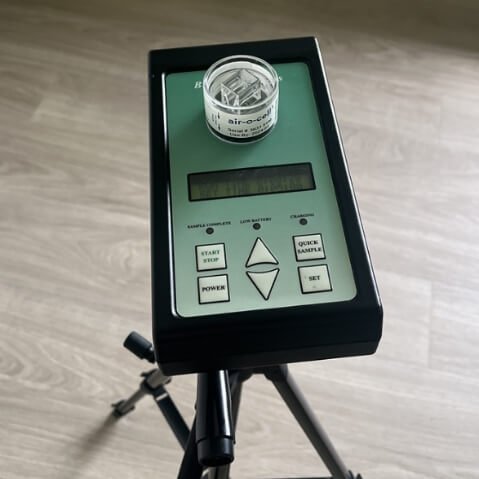
Our professional mold testing services involve taking air and surface samples to detect black mold testing needs or hidden growth behind drywall. Because NJ weather fluctuates significantly—from humid summers to damp winters—a home mold test service is a vital part of property maintenance and healthy living. According to the Centers for Disease Control and Prevention, mold exposure can cause respiratory symptoms and allergic reactions.
Trained & Certified
Schedule an inspection today!
Reasons to Hire a Trained & Certified Inspector
- Anyone in the house or building complaining of allergy-like symptoms, especially when inside the structure.
- Sick Building Syndrome (SBS) : Anyone complaining of the following symptoms while in the house or building, but symptoms disappear after leaving house of building: headache, eye, nose or throat irritation, dry cough, dry or itchy skin, dizziness and nausea, difficulty concentrating, fatigue, sensitivity to odors, rash.
- Building Related Illness (BRI): Symptoms that may continue upon leaving the house or building including: cough, chest tightness, fever, chills, and muscle aches.
- For a peace of mind: Maybe you have a general concern throughout the structure and just want it checked just in case. Or perhaps you are buying a home and want to make sure you are not buying a moldy house.
Mold Inspection & Mold Testing Conducted by Trained & Certified Mold Inspectors
When it comes to mold, it is usually more than meets the eye. Mold is sneaky and can grow on hidden surfaces like behind walls, under flooring, behind furniture and above ceilings. Let our inspectors help.
Mastertech's Mold Inspection Process
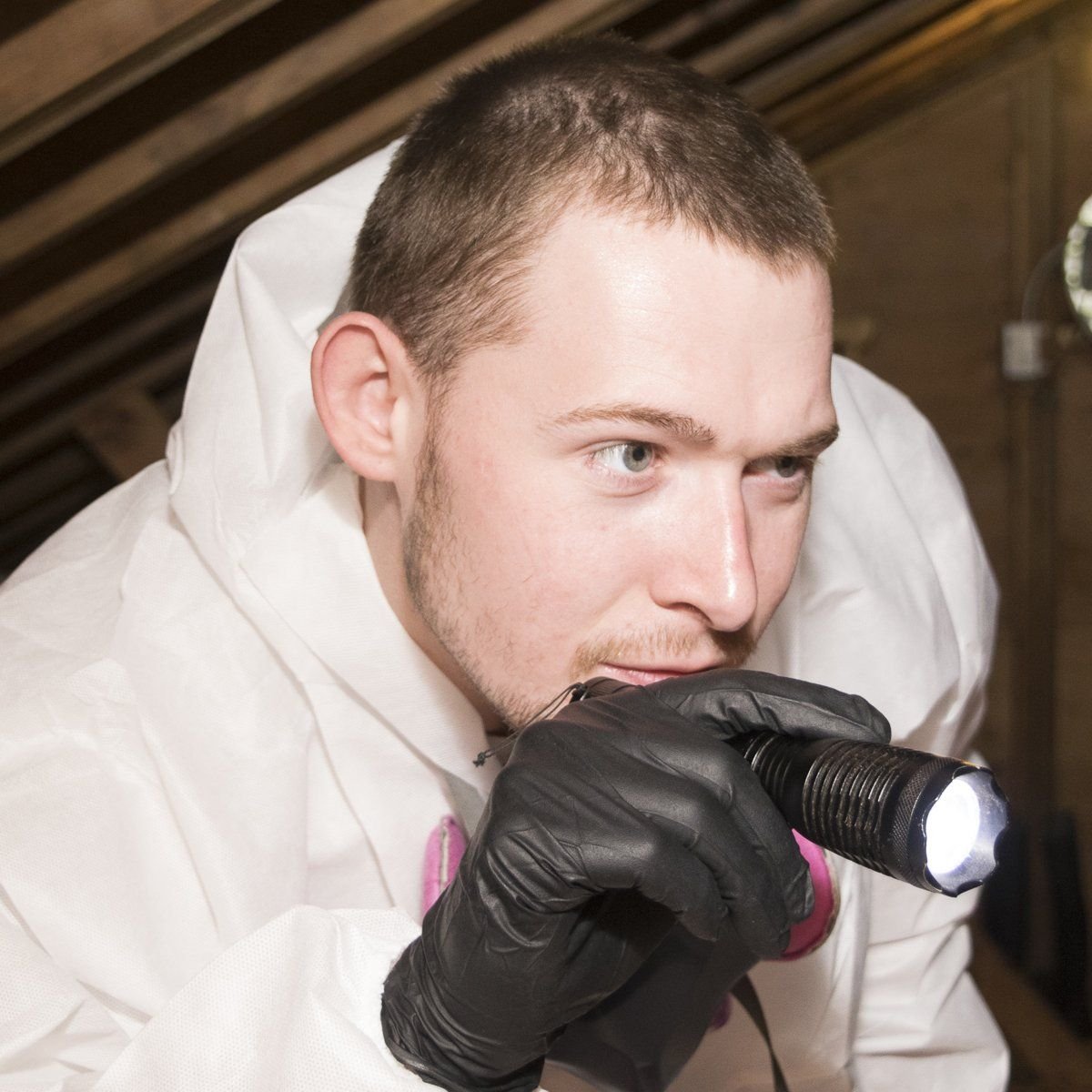
A Certified Mold Inspector (CMI) from Mastertech will perform a visual inspection AND take laboratory samples that will definitively confirm or deny the presence of mold. If the mold inspection reveals a mold problem, we will prescribe an appropriate mold remediation solution.
Visual Inspection
A thorough assessment of your property for visible signs of mold growth, water damage, or other environmental factors that could affect air quality. This helps us pinpoint areas that require further testing or immediate attention.
Mold Spore Testing
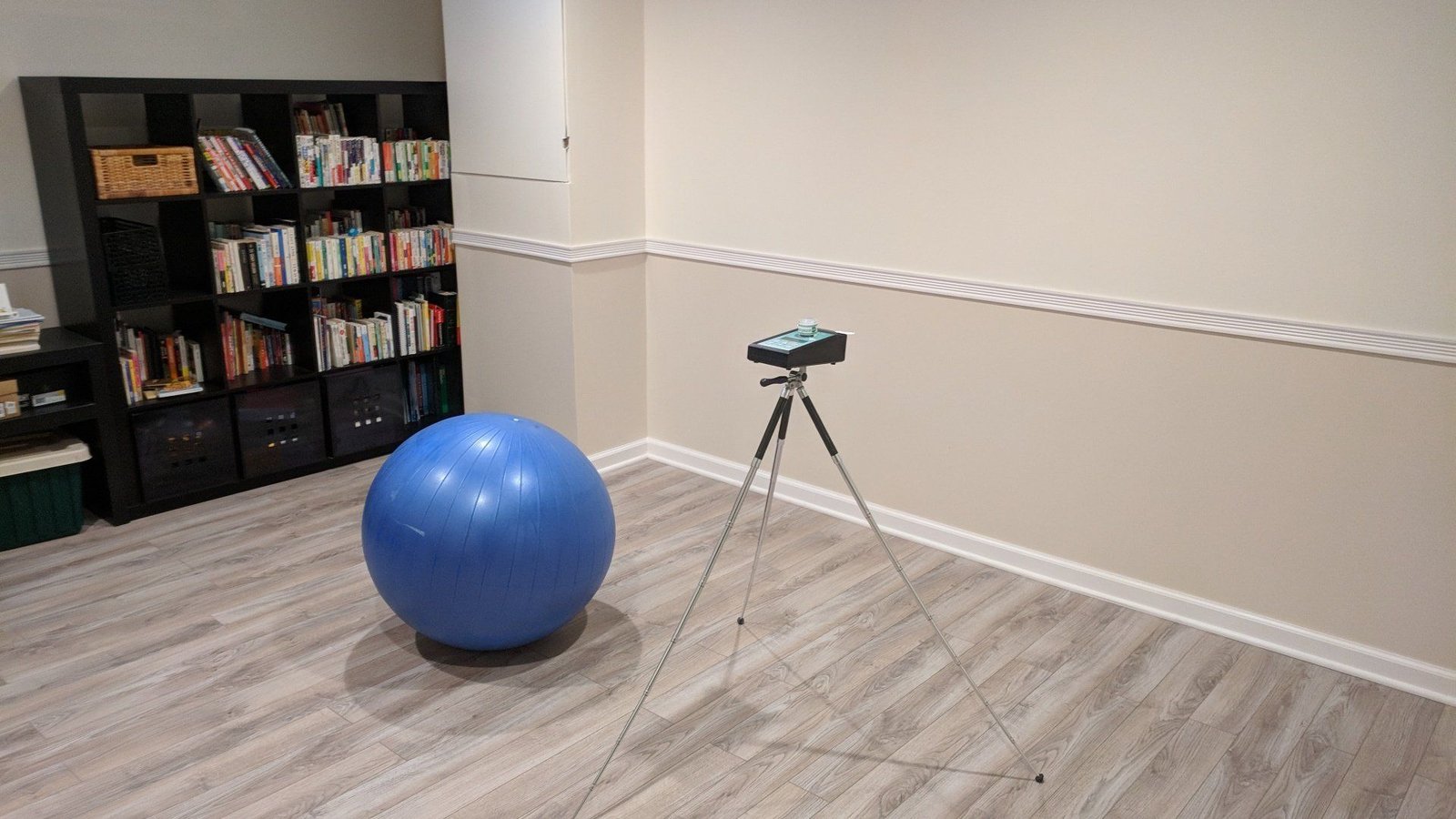
We collect air samples from various areas of your home or business to detect airborne mold spores. These spores are a common indoor allergen and can be a serious health risk, especially in areas with high humidity or water damage.
Mold Surface Testing
Surface testing is used to identify visible mold on walls, ceilings, floors, and other surfaces. This helps to determine the extent of mold contamination and the best steps for remediation.
Chemical & VOC Testing
We measure the presence of volatile organic compounds (VOCs) and chemicals in the air, which may come from household products, paints, or cleaning supplies. These chemicals can contribute to poor air quality and mold growth in your property.
Surface Testing for Mold
Collect surface samples for testing. This includes swab or bio tape mold samples to determine the amount of mold and the species of mold present on surfaces or belongings.
Reports
Once the testing is complete, we provide a comprehensive mold testing report that includes lab results, detailed findings, and actionable recommendations. We’ll guide you on the next steps to safely address any issues found and ensure your property is mold-free.
We Proudly services
Ocean County, NJ
Union County, NJ
Mercer County, NJ
Monmouth County, NJ
Somerset County, NJ
Middlesex County, NJ
Burlington County, NJ
FREQUENTLY ASKED QUESTION
What does a home inspection in New Jersey include?
A comprehensive home inspection covers the structure, roof, plumbing, electrical systems, HVAC, insulation, and visible components. Inspectors identify safety issues, code violations, and items needing repair or replacement. At All Jersey Inspection, we provide detailed reports to help buyers and sellers make informed decisions.
How long does a typical home inspection take?
Most residential inspections take 2 to 4 hours, depending on the home’s size, age, and condition. Larger or older homes with more systems and potential issues require additional time. Buyers are encouraged to attend and ask questions during the walk-through.
When should you schedule a home inspection?
Schedule your inspection during the due diligence period after your offer is accepted but before closing. This allows time to negotiate repairs or request credits based on findings. At All Jersey Inspection, we recommend booking as soon as your contract is signed.
Can a home fail an inspection?
Homes don’t technically pass or fail; inspections identify defects and safety concerns. Buyers use the report to negotiate repairs, price adjustments, or decide whether to proceed. Nearly every home has some issues, but severity varies widely.
What's the difference between a home inspection and appraisal?
An inspection evaluates the condition and safety of a home’s systems and structure, while an appraisal determines market value for the lender. Inspections protect buyers; appraisals protect lenders. Both are essential but serve entirely different purposes in the transaction.
Do I need to be present during the inspection?
While not required, attending your inspection is highly recommended. You’ll see issues firsthand, ask questions, and receive maintenance tips directly from the inspector. At All Jersey Inspection, we encourage buyers to walk through with us for a better understanding.
What are common problems found in New Jersey homes?
New Jersey inspectors frequently find moisture issues from humidity, outdated electrical panels, foundation cracks from freeze-thaw cycles, and aging HVAC systems. Coastal areas may also show signs of salt air corrosion and pest activity.
How much does a home inspection cost in New Jersey?
Inspection fees typically range from $300 to $600, influenced by home size, age, and additional services like radon or mold testing. Larger properties or those requiring specialized assessments cost more. The investment helps avoid costly surprises after purchase.
What should I do to prepare for an inspection?
Ensure all areas are accessible, including attics, basements, and crawl spaces. Turn on utilities, unlock gates, and clear clutter around HVAC units and electrical panels. Providing access helps inspectors complete a thorough evaluation without delays.
Are radon tests required in New Jersey?
Radon testing isn’t legally required, but it’s strongly recommended due to New Jersey’s elevated radon levels statewide. Many lenders and buyers request it as part of the inspection process. Mitigation systems can effectively reduce radon if levels are high.
How soon will I get my inspection report?
Most inspectors deliver detailed reports within 24 to 48 hours after the inspection. Reports include photos, descriptions of issues, and recommendations for repairs. At All Jersey Inspection, we prioritize fast turnaround so you can move forward confidently.
What's the biggest mistake buyers make with inspections?
Skipping the inspection to save money or speed up closing is a costly error. Hidden defects can lead to thousands in unexpected repairs. Even new construction benefits from an independent inspection to catch builder oversights or code issues.