Quick answer: A real estate mold inspection is a professional assessment — a visual check plus, in most cases, air or surface sampling — that identifies mold growth and moisture problems in a property before a sale closes. In New Jersey, buyers typically schedule one during the home inspection contingency period, giving them lab-backed documentation to negotiate repairs or walk away before they own the problem.
If you’re under contract on a home anywhere in Ocean, Union, Mercer, Monmouth, Somerset, Middlesex, or Burlington County, this guide walks through exactly what a real estate mold inspection covers, why it matters more in New Jersey than you might expect, who typically pays for it, and how to fit it into your closing timeline without delays.
At All In One Inspections, we’ve spent 7+ years inspecting homes across these seven counties, and mold-related findings tied to real estate transactions are one of the most common calls we get — this guide reflects what we actually see in the field, not just generic advice.
What Is a Real Estate Mold Inspection?
A real estate mold inspection is a targeted inspection performed specifically within the context of a home sale — distinct from a routine homeowner mold check you might request just out of curiosity.
What’s Included
A standard real estate mold inspection includes:
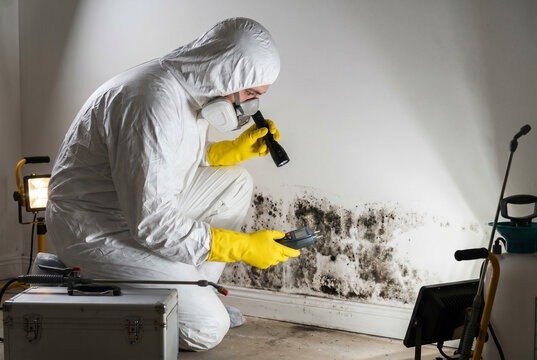
- A full visual inspection of the attic, basement or crawl space, and living areas
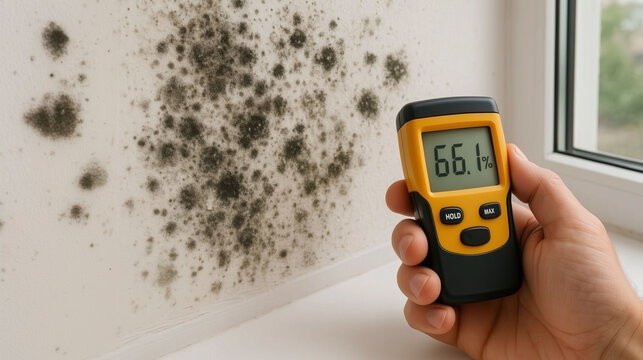
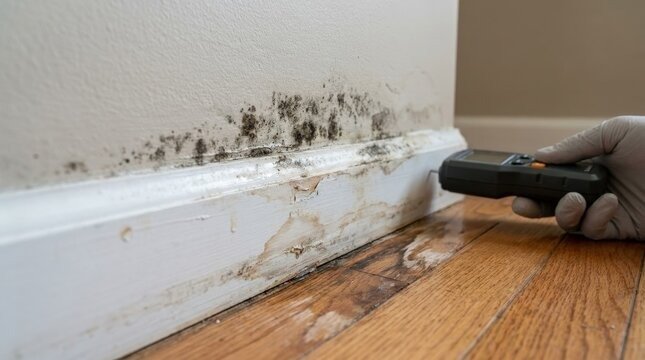
- Moisture readings and thermal imaging to catch hidden water intrusion behind walls or under flooring
- Air and/or surface sampling with lab analysis to confirm mold type and spore levels
- A written report that buyers, sellers, agents, and sometimes lenders can act on
How It Differs from a Standard Home Inspection
General home inspectors check a wide range of conditions across a property, but mold usually isn’t their primary focus. It’s common for a general inspector to flag “possible moisture” or a musty odor without actually testing for it. A dedicated real estate mold inspection goes further — confirming, with lab-backed data, whether mold is actually present and how serious it is.
Comparison at a glance:
| General Home Inspection | Real Estate Mold Inspection | |
| Scope | Broad — roof, systems, structure | Focused — moisture, air quality, mold |
| Mold testing | Rarely included | Core service |
| Documentation | General report | Lab-certified sample results |
Why NJ Home Buyers Need a Mold Inspection Before Closing
Mold Is Often Invisible Until It’s a Big Problem
Mold frequently grows in places a standard walkthrough simply won’t catch — behind drywall, under flooring, inside HVAC systems, or in a crawl space nobody bothers to climb into during a 45-minute showing. By the time it’s visible on a wall, it’s often been growing for months.
New Jersey’s Climate and Housing Stock Increase Risk
New Jersey’s combination of humid summers, coastal storm exposure, and a lot of older housing stock creates conditions that are genuinely more favorable to hidden moisture and mold than you’d find in a drier climate. In our experience, homes with finished basements or aging roofs — common across Ocean, Monmouth, and Middlesex counties — show mold-related findings more often than newer construction with modern moisture barriers and ventilation.
A Real Example
Here’s a scenario we see often: a buyer under contract on an older Monmouth County home noticed a faint musty smell in the basement during their walkthrough but didn’t think much of it. At our recommendation, they added air sampling to their inspection. The results came back with elevated spore counts tied to a slow, long-term roof leak nobody had disclosed — because the seller likely didn’t know about it either. That test gave the buyer real leverage to negotiate repairs before closing, instead of discovering (and paying for) the problem after moving in.
Common mistake we see: buyers who skip mold testing because “the home inspector didn’t mention it.” A general inspector noting no visible mold isn’t the same as confirming there isn’t a hidden moisture problem — those are two very different statements.
Mold Inspection for Buyers vs. Mold Inspection for Sellers
Why Buyers Request Mold Inspections
- To avoid inheriting a hidden, expensive repair
- To support a negotiation or repair-credit request before closing
- For simple peace of mind before committing to the largest purchase of their life
Why Sellers Should Consider One Proactively
A pre-listing mold inspection can prevent last-minute deal delays. Sellers who identify and address moisture issues early often avoid the larger, more urgent credits buyers tend to demand once a problem surfaces mid-contract — when there’s far less room to negotiate calmly.
Mold Contingency in Real Estate Contracts
What a Mold Contingency Clause Does
A mold contingency allows buyers to request mold testing during their due diligence period and renegotiate terms — or exit the contract — based on what the results show.
How It Fits Into the NJ Home Buying Timeline
- Offer accepted — attorney review period begins
- Home inspection scheduled — mold inspection can be requested alongside it, within the contingency window
- Results reviewed — a clean report lets the deal move forward; a positive finding often opens negotiation
- Resolution reached — remediation, a price credit, or a contract adjustment is agreed upon before closing
Timing tip: make sure your contingency window leaves enough time for lab turnaround — typically 2–5 business days — before your inspection period closes. Waiting until the last few days of your contingency to schedule testing is one of the most common (and avoidable) mistakes we see buyers make.
Real Estate Mold Testing and the Inspection Report
What the Report Includes
A closing-ready mold inspection report includes visual findings, moisture readings, sample collection locations, lab results, and clear, actionable recommendations.
Who Uses the Report
Buyers, sellers, real estate agents, attorneys, and occasionally lenders all rely on this documentation to move a transaction forward with confidence.
What Makes a Report “Closing-Ready”
- Lab-certified results — not just a verbal opinion from the inspector
- Clear, non-technical language that agents and homeowners can actually understand
- Fast turnaround that fits within contingency deadlines
New Construction Mold Inspection — Do New Homes Need One Too?
It’s a fair question, and the answer is yes, more often than people expect. New builds can trap construction moisture inside walls, or have drywall installed over framing that wasn’t fully dry. Poor ventilation in a brand-new home can also create the exact humid conditions mold needs to take hold.
With rapid new development across Burlington and Somerset counties, this is a question we’re fielding more frequently — and we recommend a mold or air quality check as part of any new construction walkthrough, ideally before final closing.
Mold Inspection at Closing — Timing and Logistics
When to Schedule It
Ideally, mold testing happens during your home inspection contingency period — not the week of closing, when there’s little time left to act on the results.
What Happens If Mold Is Found Late in the Process
Finding mold close to closing can delay the transaction, force a rushed renegotiation, or in some cases put the deal at risk entirely.
Safety and timing warning: don’t wait until days before closing to test. It’s one of the most stressful — and preventable — situations we see, because there’s simply no time left to negotiate calmly or arrange remediation before the deal is expected to close.
Who Pays for a Mold Inspection — Buyer or Seller?
In most New Jersey transactions, the buyer pays for their own mold inspection as part of due diligence. That said, sellers sometimes cover the cost if they’re addressing findings proactively before listing, or as part of negotiated repairs later in the process. Ultimately, this is negotiable between both parties — we always recommend confirming the arrangement with your real estate agent or attorney.
Can Mold Affect a Home Sale?
Yes. Mold findings can lead to:
- Price renegotiation
- A requested remediation before closing
- A delayed closing date
- In rare cases, a terminated contract
The good news: early detection tends to keep deals on track rather than derail them. It’s the mold nobody knew about until after closing that causes real problems — not the mold that’s identified and addressed calmly during the contingency period.
Cost of a Real Estate Mold Inspection in NJ
A real estate-focused mold inspection with sampling typically costs $300–$650 for an average single-family home in New Jersey, depending on home size and the number of samples collected.
What affects the price:
- Home size and layout
- Number of air or surface samples needed
- Accessibility of crawl spaces, attics, or finished basements
Framed against what’s at stake — a potential renegotiation, avoided repair costs, or a smoother closing — that cost is minor. For a full breakdown of pricing across our service area, see our mold inspection cost guide for New Jersey.
Real Estate Mold Inspections Across NJ Counties
Ocean County
Shore-area homes in Toms River, Brick, and Lakewood deal with high humidity and flood exposure, and we consistently see more mold-related findings during real estate transactions here than in drier inland areas.
Monmouth County
Coastal storm history and older housing stock near Red Bank and Long Branch make pre-purchase mold testing especially valuable for buyers in this county.
Middlesex County
Dense, older housing in Edison and New Brunswick increases the odds of hidden moisture issues that buyers should test for before closing.
Union County
Older multi-family and single-family homes around Elizabeth and Plainfield often warrant a closer look at shared walls and basement conditions.
Somerset County
A mix of newer developments and older homes in Bridgewater and Franklin Township means testing needs really do vary by property age here.
Mercer County
Historic homes in Trenton and Princeton frequently carry aging plumbing and roofing — two of the most common contributors to hidden mold we find.
Burlington County
Between new construction and older homes in Mount Laurel, Marlton, and Willingboro, pre-purchase testing is relevant regardless of when the home was built.

Prevention & Maintenance Tips for Buyers and Sellers
- Buyers: request mold testing early in your contingency period — not as an afterthought once you’re already worried about something specific
- Sellers: address known moisture issues (roof leaks, basement seepage) before listing, rather than waiting for a buyer to find them
- Both parties: once you own the home, keep indoor humidity between 30–50% to prevent new growth
- Schedule a follow-up moisture check after your first year in a new home, especially following storm season
When to Call a Professional in New Jersey
Call a professional real estate mold inspector if:
- You’re under contract and want testing completed within your contingency window
- A general home inspector notes “possible moisture” or a musty odor without actually testing for it
- You’re selling and want to get ahead of buyer-requested inspections
- The home has a finished basement, an aging roof, or a known storm or flood history
- You’re closing on new construction and want peace of mind before move-in
Why Choose All In One Inspections for Real Estate Mold Inspections in New Jersey
- 7+ years serving buyers, sellers, and agents across Ocean, Union, Mercer, Monmouth, Somerset, Middlesex, and Burlington counties
- Fast turnaround built around real estate contingency deadlines, not generic scheduling windows
- Independent testing options, so your results are objective — not tied to a remediation sales pitch
- Clear, closing-ready reports that agents, attorneys, and lenders can rely on without needing a translator
- Certified inspectors you can verify before you book

Get a Real Estate Mold Inspection Before Your Contingency Closes
If you’re under contract on a home in New Jersey, don’t wait until the last few days of your inspection window to test. Schedule a real estate mold inspection with All In One Inspections and get lab-backed results fast enough to actually use them. Call 908-910-8203 or email allinoneinspections15@gmail.com to get on the schedule.
Local FAQs
1. What is a real estate mold inspection? A real estate mold inspection is a professional assessment — including a visual check and often air or surface sampling — that identifies mold and moisture issues in a property before a sale closes.
2. Do I need a mold inspection before buying a house in NJ? It’s not legally required, but it’s strongly recommended in New Jersey to avoid inheriting a hidden moisture or mold problem after closing.
3. Who pays for a mold inspection, the buyer or seller? In most New Jersey transactions, the buyer pays for their own mold inspection as part of due diligence, though this is negotiable between both parties.
4. Can mold affect a home sale in NJ? Yes — mold findings can lead to price renegotiation, required remediation, or a delayed closing, though early testing usually keeps deals moving rather than derailing them.
5. How much does a real estate mold inspection cost in New Jersey? A real estate mold inspection in New Jersey typically costs between $300 and $650 for an average single-family home, depending on the number of samples collected.
6. Do new construction homes need a mold inspection? Yes — trapped construction moisture and poor ventilation can create mold-friendly conditions even in brand-new homes, so testing before final closing is a smart precaution.
7. When should I schedule a mold inspection during a home purchase? Schedule it during your home inspection contingency period, early enough to receive lab results and negotiate any findings before your contingency window closes.
All In One Inspections proudly serves Ocean, Union, Mercer, Monmouth, Somerset, Middlesex, and Burlington counties, NJ. Call 908-910-8203 or visit allinoneinspections.org to schedule your real estate mold inspection.