Leaks · Water Intrusion · Flooding · Moisture
Professional Water Damage Inspection Services in Shrewsbury, NJ
A ceiling stain that returns, flooring that starts to buckle, or dampness after heavy rain can point to a problem whose full extent isn’t obvious.
All In One Inspections helps property owners and buyers in Shrewsbury, NJ, document visible signs of water intrusion and identify affected areas that may need further evaluation. Water can move behind walls, beneath flooring, or through ceilings before the damage shows up elsewhere.
★★★★★ 5-Star Google Reviews
7+ Years Experience


Pablo Echegorri
3 weeks ago
Thank you for the mold inspection!

Michael Blevis
3 weeks ago
My wife and I were concerned about mold after hearing about how it can quietly wreak havoc on a home without any signs or warning. I searched a few places and eventually came across All In One Inspections. We started working with Cory who is thorough, reasonable and truly wants to help ensure you feel peace of mind in your home. From start to finish I felt that we were in great hands and would either know if we had a mold/other issue or not. I never felt like he was going to try to hand me off to someone even if there wasn’t something wrong. Our results came back and that confirmed what I suspected that Cory was honest and truly trying to help people. He said “Mike you guys have nothing to worry about” and that gave me the assurance I needed to feel good about my family’s health and ability to feel safe in our home. We had heard horror stories about other companies pushing scams in this field. Rest assured that All In One and Cory are not that. Highly recommended.

trish straine
4 weeks ago
I met the owner Cory at a presentation at our office. It was easy to make an appointment for the following week. He was quick to respond and conducted a thorough home review which was quite informative. I would definitely recommend All In One Inspections to anyone who needs mold or air quality inspections for their home or future home. Cory is honest, trust-worthy and reliable.

Dom Pro
4 weeks ago
I highly recommend All in One Inspections if you’re looking for an honest, reliable, and knowledgeable home inspection company. Cory is professional, experienced, and extremely informative. He takes the time to explain things clearly and provide helpful advice. We recently had an issue with a leaking pipe in our laundry room, and Cory came over within a few hours. He was able to test the area, assess the situation, and provide valuable advice on how to address the issue. His responsiveness, expertise, and willingness to help really stood out. It’s reassuring to know you can count on someone who is knowledgeable, dependable, and genuinely cares about helping his customers. I would absolutely recommend Cory and All in One Inspections to anyone in need of a home inspection!

Nicholas Florio
4 weeks ago
Exceptional Company to work with, Cory was extremely knowledgeable and helpful in his inspection. Cory provided amazing insight into the issues presented inside the residence. and Cory provided and extremely easy experience with communication and scheduling. Would recommend this company and services to anyone.

Gabby Caputo
4 weeks ago
Cory from All in One inspections is fantastic. I’ve used him several times to test mold in my clients homes. He’s always fast, thorough and reliable. Results are provided quickly which is always appreciated. Thanks Cory for being the best. Look forward to working with you more in the future!

Adrienne Scutellaro
4 weeks ago
All in One Inspections was extremely helpful in helping me solve my post-renovation issues with water intrusion and ventilation. Cory was so great to work with: scheduling was easy, he was punctual, professional and honest! I had been getting nowhere with my HVAC company and Cory was able to quickly identify potential issues and provide clear evidence for me to use in addressing the problem. And his turnaround is fast! Call All in One. He can help you!

Mark Bradley
1 month ago
Cory was able to fit us in quickly. The turn around with results was very fast. Appreciate the professionalism. Would recommend.

Valerie Herman
1 month ago
I highly recommend All in One Inspections. Cory was easy to book with. He arrived right on time, was personable, professional, and incredibly thorough. He patiently answered all my questions, explained his findings using his equipment, and helped me understand the moisture and mold concerns without creating unnecessary alarm. I never felt pressured into purchasing additional services, and his recommendations were backed by clear evidence. Once the lab results came back, Cory took the time to walk me through the entire report in detail, explaining everything clearly and providing helpful recommendations and referrals. His knowledge, honesty, and willingness to go above and beyond were greatly appreciated. I highly recommend Cory and All in One Inspections!

Ellen Lichtig
1 month ago
Cory, the owner of the business, was fabulous! His thoroughness and his explanations of the report were just what we were looking for. I can't recommend him more highly. He is highly professional and also just a special person and extremely thorough in his work. We live in condo development and he explained to us what to present to the HOA and how to proceed.

Training & Credentials — Cory Pedalino
AHERA Asbestos Building Inspector
NAETI · EPA/AHERA accredited course
Advanced Mold Inspection
InterNACHI training course
Underground Storage Tanks
Rutgers University regulatory training
Oil Tank Sweeps
NJ Academy of Home Inspectors

Water Damage Inspection for Leaks, Intrusion, and Affected Materials
Water damage can come from plumbing failures, roof leaks, appliance leaks, stormwater intrusion, and flooding, and it can affect drywall, ceilings, flooring, insulation, and wood components. Depending on the situation and agreed scope, we may examine:
An inspection doesn’t automatically establish the exact source of every leak or reveal every concealed defect. Where the evidence calls for it, further testing or specialist evaluation may be recommended.
What Is a Water Damage Inspection?
A water damage inspection evaluates a property’s observable condition to identify signs of water-related damage, moisture intrusion, and areas that may need further investigation. Unlike a general walkthrough, it focuses on where water damage commonly appears and how visible symptoms relate to the affected materials.
Example:
A brown ceiling stain may indicate a previous or ongoing leak. But the stain alone doesn’t tell you whether the leak is still active, where the water came from, or how far the moisture spread. The inspection documents the evidence so you can decide what to evaluate or repair next.
What We Test
Common Building Materials That May Require Asbestos Testing
Property owners often ask about popcorn ceiling, floor tile, and insulation testing when evaluating older buildings or preparing for renovation.
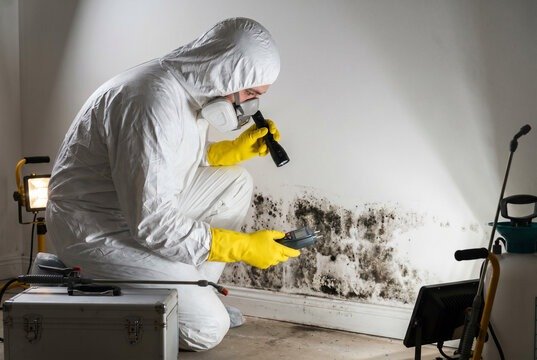
Ceilings & Walls
Stains, discoloration, bubbling or peeling paint, damaged drywall. Visible damage may not show the full extent.
Floors & Subfloors
Warping, buckling, lifting, discoloration, or persistent dampness in hardwood, laminate, carpet or tile.
Basements & Crawl Spaces
Groundwater intrusion, drainage problems, foundation seepage, and water after heavy rain.
Roof & Attic Areas
Signs of water entry in accessible attic materials and insulation. Not a full roof inspection.
Plumbing & Appliance Areas
Staining or dampness near openings that may be consistent with water intrusion.
Windows, Doors & Exterior Walls
Certain older exterior products may contain asbestos.
Other Affected Materials
Drywall, insulation, subflooring, trim, and areas where the extent of damage is still uncertain.
Water Moving or Flooding Now?
Stop the water source and address safety first. We inspect and document; we don’t do emergency extraction or restoration.
Common Signs of Water Damage in a House
Not all water damage starts with standing water. Some problems develop slowly and only show once materials begin to deteriorate.
- Brown, yellow or irregular stains
- Peeling or bubbling paint
- Swollen or buckling flooring
- Soft or deteriorating drywall
- Musty odors in enclosed areas
- Water in a basement or crawl space
- Discoloration near windows and doors
- Damp areas that return after drying
- Old repairs near suspected leaks
- Changes near fixtures or appliances
These symptoms can have different causes. A musty odor doesn't prove mold is present, and a stain doesn't confirm a leak is still active.
Can Water Damage Be Hidden Behind Walls or Under Flooring?
Yes. Water can travel beyond where it first enters. A small plumbing leak may affect the inside of a wall; roof water can move along framing before it shows as a ceiling stain. Possible indicators:
- Odors that persist after cleaning
- Repeated staining in the same spot
- Swelling or distortion in flooring
- Dampness that returns after drying
Concealed damage can't always be confirmed visually. Moisture measurement or opening part of an assembly may be needed, and should be confirmed in the agreed scope.
Our Work Process
How Does a Water Damage Inspection Work?
1
Discuss the Concern
What you noticed, when it began, any leak or flood, affected areas. Photos and repair history help.
2
Review the Areas
The inspector examines accessible areas tied to the concern and documents observable signs.
3
Document Findings
Staining, damaged finishes, deterioration, and areas where more investigation is warranted.
4
Explain Next Steps
Which concerns need further investigation, repair, or another qualified professional.
5
Review Results
Understand the findings for each sample and the sensible next steps.
What Does the Report Include?
A useful report separates documented findings from issues that couldn’t be confirmed. Need it for a sale, insurance discussion, or repair decision? Tell us before the appointment.
Areas examined
Photos of observed conditions
Inaccessible or excluded areas
Follow-up recommendations
Visible water-related damage
Materials showing deterioration
Concerns needing more investigation
By Source
Water Damage from Common Household Problems
Identifying the suspected source helps determine which areas get attention during the inspection.
| Suspected source | Potential warning signs | Inspection consideration |
|---|---|---|
| Roof leak | Ceiling stains, attic discoloration, damp insulation | Evaluate accessible areas consistent with water entry |
| Plumbing leak | Wall stains, wet cabinets, damaged flooring | Examine visible conditions around the reported leak |
| Burst pipe | Sudden water, soaked materials, extensive staining | Document damage and areas needing further assessment |
| Washing machine | Damp flooring, damaged nearby finishes | Examine the appliance area and surrounding materials |
| Dishwasher | Cabinet damage, flooring changes near the kitchen | Evaluate the reported area and accessible materials |
| Water heater | Water or staining near the unit | Document visible conditions; a plumber may assess the equipment |
| Basement intrusion | Damp walls, staining, standing water | Evaluate accessible areas; consider an intrusion inspection |
| Window or door | Staining near openings, damaged finishes | Investigate signs around the opening and adjacent materials |
The source isn't always apparent from the damage pattern. Where it can't be established within the scope, further evaluation may be recommended.
Water Damage Services We Can Help You Explore
If your concern is more specific than a general water damage inspection, one of these may fit better.
Water Damage Assessment
Evaluates the apparent extent and condition of affected areas: damaged drywall, stains, flooring.
Water Intrusion Inspection
Investigates how water may be entering: roofs, windows, walls, doors, foundations. Useful when water appears after rain.
Moisture Detection Inspection
Checks areas where hidden or residual moisture may remain after the visible water is gone.
Flood Damage Inspection
Evaluates the apparent extent and condition of affected areas: damaged drywall, stains, flooring.
Compare
Which Inspection Do You Need?
| Water damage inspection | Water damage assessment |
|---|---|
| Examines a property for signs of water-related damage | Evaluates the apparent extent and condition of affected areas |
| Documents stains, deterioration, suspected problem spots | Organizes findings about affected materials |
| Shows where further investigation may help | Clarifies the scope of concerns needing more evaluation |
The distinction isn't universal across the industry. Ask what each service includes and whether the documentation meets your needs.
Water Damage Inspection
Focuses on the observable effects of a water-related event. Example: a ceiling stain.
Water Intrusion Inspection
Emphasizes how water enters the property. Example: dampness around a window after rain.
The two can overlap. Choose based on whether you need to document existing damage, find an entry point, or both.
Water Damage Inspection
Observable effects of a reported problem and areas needing evaluation.
Moisture Detection
Checks selected materials for moisture using the agreed method.
A moisture reading doesn't establish where water came from, the full extent of damage, or whether mold is present. If the leak is fixed but you suspect residual moisture, ask which methods are available.
Water Damage Inspection
Water-related conditions and affected building materials.
Mold Inspection
Suspected or visible mold and the conditions that support its growth.
Not every water-damaged area contains mold, and a water damage inspection doesn't automatically include mold testing.
Explore Mold Inspection & Testing →Inspection (what we do)
Evaluates the observable condition and documents concerns within the agreed scope.
Restoration
Water removal, drying, removing damaged materials, cleaning and repairs, done by a restoration contractor.
If water is actively entering or major flooding has occurred, stopping the source and safety come first.
Why All In One
Why Choose All In One Inspections for Water Damage Service?
What to watch out for
What All In One Inspections does
Inspector who also sells the restoration job
We inspect only, so findings aren't a sales pitch [CONFIRM]
“All clear” claims about hidden areas
Report separates confirmed findings from what couldn't be seen
Moisture meters or extras assumed, then billed
Methods and fees confirmed before booking
A different company for water, mold and asbestos
Water damage, mold, asbestos and home inspection from one team
Moisture & Mold Know-
InterNACHI Advanced Mold Inspection, 12 credit hours.
7+ Years Inspecting Homes
We know where water hides in New Jersey homes.
Independent Testing
No abatement work, no conflict of interest.
Documented Reports
Clear evidence you can act on, as clients mention in reviews.
Pricing
How Much Does Asbestos Testing Cost in New Jersey?
Asbestos testing in New Jersey typically costs between $200 and $600, based on All In One Inspections’ own published pricing for homes and businesses across the state. That range covers the visual inspection, sample collection, and lab analysis
The cost depends on the material, the number of samples, accessibility, the requested scope, and the laboratory analysis required.
Share your property address, the material of concern, and any planned work. Before confirming, ask whether the fee includes the inspection, sample collection, lab analysis, and report.
01
Material type & location
What the suspected material is and where it sits.
02
Number of samples
Each material may need its own sample.
03
Inspection before sampling
Whether an assessment is needed first.
04
Access & site conditions
Hard-to-reach materials take more time.
05
Laboratory analysis
The method requested affects lab fees.